SEO

Maximise SEO Impact: Effective Internal Linking & Best Practices

Mastering Internal Linking: Essential Strategies for SEO Success Internal linking is a powerhouse tactic in the realm of Search Engine Optimization (SEO), crucial for both enhancing site navigation and boosting your website’s visibility in search engine results. Essentially, internal links are hyperlinks that connect one page of a website to another page within the same domain. This is different from external links, which direct users to a different website, and backlinks, which are links from other websites pointing to yours. By effectively using internal links, you not only make it easier for your visitors to navigate through your site and find more of your content but also help search engine bots crawl and index your pages more efficiently. This strategic approach is pivotal in distributing link juice and signaling to Google the relevance and importance of specific pages, thereby potentially increasing page rankings. Table of Contents Understanding the Types of Search Intent Internal linking is not just about improving website navigation and aesthetics; it’s a critical component of a robust SEO strategy. By understanding and implementing internal links, you help guide both users and search engines through your site, enhancing the user experience and supporting your SEO efforts. Let’s differentiate the three types of links you’ll encounter: Internal Links: These are links that connect one page of your website to another page within the same domain. They are crucial for building a site structure that search engines understand and trust, helping to spread link juice that boosts page authority. External Links: These links point from your site to different websites. They are important for providing your audience with additional resources and can help establish credibility and relevance in your content. Backlinks: Also known as inbound links, these are links from other websites pointing to your site. Backlinks are essential for SEO as they signal to search engines that other websites consider your content valuable and relevant, which can significantly enhance your site’s authority and ranking in search results. Understanding these link types and their purposes helps you craft a more informed and effective linking strategy, crucial for optimizing your site’s visibility and user engagement. Why Internal Links Matter for SEO Enhancing Site Navigation and User Experience Internal links are a cornerstone of effective SEO, primarily because they significantly improve site navigation and user experience. By linking related pages, you guide visitors smoothly through your website, reducing bounce rates and increasing time spent on site. Supporting Search Engine Indexing and Crawling This seamless navigation is also crucial for search engines. Internal links help search engine bots discover new pages and index your entire site more effectively. Distributing Link Juice Moreover, they distribute “link juice,” or page authority, throughout your website. This distribution enhances the page rankings of less prominent pages by transferring authority from high-value pages. Therefore, understanding and implementing strategic internal linking can elevate your site’s visibility and searchability, making it a vital practice for any SEO-focused website strategy. Strategic Implementation of Internal Links Identifying Key Pages for Internal Linking Start by conducting a thorough analysis of your website to pinpoint the pages that hold the most value in terms of content and traffic. Utilize tools like Google Analytics to identify these key pages, which typically include cornerstone content, high-traffic posts, and conversion pages. Linking from High-Authority Pages Leverage the power of your high-authority pages by linking them to strategically important pages that need a visibility boost. This practice helps distribute the established authority to those lesser-known pages, enhancing their potential to rank higher in search results. Utilizing Keyword-Rich Anchor Text When creating internal links, always use descriptive, keyword-rich anchor text. This not only improves SEO but also helps both users and search engines understand the relevance of the linked pages. Avoid generic phrases like “click here” and opt for meaningful keywords that reflect the content of the destination page. This approach ensures clarity and relevance, contributing to a better-structured and SEO-friendly site. Want to Increase Your Organic Traffic & Get More Leads? Click Here To Get Started Best Practices for Internal Linking Avoiding Overuse of Exact Match Anchor Text To maintain the integrity of your website and avoid appearing spammy, diversify your anchor text. Using the same exact match anchor text repeatedly can trigger search engine penalties for over-optimization. Strive for a natural flow of text that incorporates variations of your target keywords, enhancing both readability and SEO performance. Positioning Links Higher Up on the Page Place internal links higher up in your content to capture users’ attention early and encourage them to explore more of your site. This strategy can significantly reduce bounce rates and increase dwell time, both of which are positive signals to search engines about the quality and relevance of your content. Understanding the “First Link Priority” Rule The “First Link Priority” rule is crucial in SEO, where search engines may only consider the first link to a page when multiple links to the same URL exist on a single page. Ensure that the first hyperlink using specific anchor text is the most relevant and strategically placed to maximize the SEO benefits of your internal linking structure. Case Studies and Real-World Impacts of Penguin 4.0 Pitfalls of Automated Internal Linking Tools While automated tools can speed up the internal linking process, they often lack the strategic insight required for effective SEO. Manual linking is preferred because it allows for thoughtful placement of links, ensuring they are contextually relevant and strategically positioned to enhance both user experience and SEO value. Dangers of Overlinking Within a Single Page Incorporating too many links on a single page can overwhelm users and dilute the link juice passed to each link. This excessive linking can also slow down page load times, negatively impacting site performance and user satisfaction. It’s vital to use a moderate number of links to maintain optimal performance and user engagement. Maintaining a Balanced Link Structure To avoid common internal linking errors, regularly review and adjust your link structure. Ensure that your internal links provide value

Google Penguin 4.0 Unveiled: What You Need to Know in 2024

What Is Google Penguin 4.0? Exploring Its Impact on Search Rankings Google’s Penguin algorithm was introduced to the SEO world in April 2012, aimed specifically at decreasing search engine rankings of websites that violate Google’s Webmaster Guidelines by using manipulative link-building techniques. Over the years, it has received several updates, with Google Penguin 4.0, rolled out in September 2016, marking a pivotal change. This latest iteration not only penalizes poor and spammy backlink practices but also rewards sites with quality link profiles, all in real-time. This integration into Google’s core algorithm allows for immediate adjustments, both positive and negative, based on the links’ quality. Penguin 4.0 operates on a more granular level than its predecessors, meaning that the impact is now page-specific rather than affecting the entire website. This update significantly improved the algorithm’s efficiency, allowing for quicker recovery from penalties and faster recognition of a website’s corrective actions toward better link-building practices. The shift to real-time processing ensures that any changes in a website’s link profile are reflected promptly in the search rankings, emphasizing the importance of ethical SEO strategies and the continuous improvement of web content. Table of Contents Key Features of Penguin 4.0 Real-Time Update Characteristics Penguin 4.0 revolutionized Google’s approach by introducing real-time updates. This dynamic feature means that as soon as Google indexes a page, any changes related to link assessments immediately affect the page’s ranking. It enables quicker recovery from penalties and instant benefits from improved SEO practices, providing a constant incentive for maintaining high-quality backlinks. Granular Adjustments Affecting Specific Pages Unlike earlier versions that might penalize entire websites, Penguin 4.0 applies a more nuanced approach. It focuses on specific pages rather than whole domains, allowing for targeted adjustments. This granular scrutiny ensures that only the pages violating Google’s guidelines are penalized, safeguarding the rest of the site from collateral impact. Continuous Changes with No Announced Updates With Penguin 4.0, Google ended the practice of announcing specific updates, integrating these adjustments into its core algorithm for ongoing and seamless improvements. This continuous update process means that the algorithm is always evolving, helping to ensure that search results remain relevant and fair without the abrupt shifts that characterized previous updates. Objectives of the Penguin 4.0 Update Enhanced Targeting of Spammy and Manipulative Link-Building Practices Google Penguin 4.0 was specifically designed to clamp down on unethical SEO tactics, such as purchasing backlinks or engaging in link farms. By refining its detection methods, the update more effectively identifies and penalizes websites that attempt to manipulate search engine rankings through such practices. This targeted approach helps maintain a level playing field in SEO, discouraging spammy behavior and encouraging adherence to Google’s Webmaster Guidelines. Promotion of High-Quality Content and Natural Link Profiles Penguin 4.0 also aims to reward websites that exhibit high-quality content and natural link acquisition. By promoting these sites in search results, Google incentivizes webmasters to focus on content quality and organic growth strategies. This shift not only enhances the user experience by providing more relevant and authoritative content but also encourages a healthier, more sustainable approach to SEO. Impact on Search Engine Optimization Strategies The introduction of Penguin 4.0 has significantly impacted SEO strategies across the board. SEO professionals are now compelled to prioritize genuine content creation and ethical link-building practices. The update has shifted the focus from quantity to quality, where the value of a single, well-placed, relevant backlink far outweighs numerous low-quality links. This change has made SEO a more strategic and thoughtful field, aligning more closely with overall marketing and content strategies. Want to Increase Your Organic Traffic & Get More Leads? Click Here To Get Started How Penguin 4.0 Affects Websites and Webmasters Criteria for Assessing Links: Relevance, Quality, and Natural Link Patterns Penguin 4.0 evaluates backlinks with a keen focus on relevance, quality, and the naturalness of link patterns. Links from reputable sources that are contextually relevant to the content they point to are valued highly. This approach discourages the use of manipulative link-building tactics and encourages a more organic growth strategy. Examples of Practices Penalized by Penguin 4.0 Practices such as buying backlinks, participating in link farms, and using overly optimized anchor text are penalized under Penguin 4.0. These tactics are identified through sophisticated algorithms that assess the authenticity of link profiles and penalize sites attempting to manipulate search rankings. Description of Beneficial Link-Building Strategies Under Penguin 4.0 Under Penguin 4.0, the most beneficial link-building strategies involve creating high-quality content that naturally attracts backlinks from reputable sites. Engaging in guest blogging, producing valuable research, and participating in relevant industry conversations are effective ways to build a healthy link profile. These practices ensure a website’s growth in authority and ranking is sustainable and penalty-free. Case Studies and Real-World Impacts of Penguin 4.0 Analysis of Websites Affected by Penguin 4.0 The rollout of Penguin 4.0 has had a diverse impact on websites. Some experienced a significant boost in rankings due to their robust and natural link profiles, while others saw declines after the algorithm penalized their manipulative link-building practices. For example, websites that cleaned up their backlinks and focused on content quality saw improvements, highlighting Penguin’s emphasis on authenticity. Recovery Stories and Strategies for Websites Penalized in the Past Recovery from Penguin penalties involves adopting white-hat SEO strategies such as removing harmful links and enhancing the quality of content. Many webmasters have shared success stories of regaining their rankings by aligning with Google’s guidelines, demonstrating the importance of ethical SEO practices. Data and Statistics on the Impact of Penguin 4.0 Data post-Penguin 4.0 indicates a shift towards more relevant search results, with Google reporting a significant decrease in spammy websites appearing in top search positions. This reflects Penguin’s success in refining search quality and penalizing sites that fail to meet set standards. Best Practices for Adapting to Penguin 4.0 Building and Maintaining a Healthy Backlink Profile To thrive under Penguin 4.0, focus on cultivating a backlink profile that emphasizes quality over quantity. Regularly audit your backlinks using tools like Google Search

The Future of SEO for Small Businesses: Is It Worth the Investment in 2024?

Exploring the Benefits of SEO for Small Businesses in 2024 As the digital marketing landscape continues to transform, small businesses face the pressing question: Is SEO still a worthwhile investment in 2024? The relevance of search engine optimization (SEO) in enhancing online visibility has never been more critical, amidst the ever-increasing competition in the digital realm. For small enterprises aiming to carve out their niche, SEO remains a key strategy not just for survival, but for thriving. By optimizing their online presence, small businesses can effectively connect with their target audience, ensuring their services and products are visible exactly when needed. This strategic visibility is essential for sustained business growth in the digital age. Table of Contents Understanding SEO and Its Relevance What is SEO? Search Engine Optimization (SEO) involves enhancing the visibility of your website in search engine results through content and technical optimizations. This strategic process is crucial for directing relevant traffic to your site. Importance in the Digital Marketplace In today’s competitive digital landscape, SEO is vital for small businesses aiming to distinguish themselves. It ensures that your business appears prominently when potential customers search for your products or services online. Effective SEO not only maintains but enhances your online presence, essential for competing against larger corporations with bigger marketing budgets. This visibility connects you with the right audience exactly when they need you, making SEO an indispensable tool in your marketing arsenal. Key Benefits of SEO for Small Businesses Cost-Effectiveness SEO stands out for its cost-effectiveness compared to other marketing strategies like PPC (Pay-Per-Click). While PPC offers immediate visibility, SEO provides higher ROI over time by building organic reach, reducing the need for continuous spending on ads. Building Online Presence SEO is instrumental in establishing a robust online presence, enhancing your brand’s visibility and identity. By consistently appearing in search results, small businesses can become top-of-mind choices for consumers. Sustainable Growth Unlike short-lived ad campaigns, the effects of SEO are long-term. It builds a foundation that continually attracts and engages visitors, supporting steady business growth. Customer Acquisition and Retention SEO improves user experience and relevance, which are crucial for attracting and retaining customers. By optimizing content to meet user intent, businesses can ensure they engage consumers effectively, encouraging repeat visits and loyalty. Want to Increase Your Organic Traffic & Get More Leads? Click Here To Get Started SEO Strategies That Matter in 2024 Emerging SEO Trends As we approach 2024, key SEO strategies like mobile optimization, local SEO, and the emphasis on content quality continue to dominate. Ensuring your website is mobile-friendly is no longer optional, as mobile searches increasingly outpace desktop. Local SEO is critical for businesses aiming to capture the attention of nearby customers, while high-quality, valuable content remains central to engaging and retaining these audiences. Impact on Small Businesses Adapting to these SEO trends can significantly enhance a small business’s online reach and competitiveness. By optimizing for mobile and local search, and prioritizing content quality, small businesses can improve their search engine rankings, attract more targeted traffic, and achieve better engagement rates. This strategic adaptation is crucial for staying relevant in an ever-evolving digital landscape. Challenges and Considerations in SEO Navigating SEO Complexities SEO is not a set-it-and-forget-it solution. It requires ongoing adjustments and understanding of complex algorithms, which can be daunting for small business owners. The landscape of SEO is constantly evolving, demanding continuous learning and application of the latest practices to maintain and improve search engine rankings. Common Small Business Hurdles For many small businesses, the primary challenges with SEO include the significant time investment and the need for specialized expertise. Balancing day-to-day operations with the demands of an effective SEO strategy can be overwhelming without adequate resources or knowledge, making it difficult to achieve desired results and sustain efforts in the long term. Real-Life Success Stories SEO Transformations One notable example of SEO success involves a local bakery, “Sweet Treats Bakery,” which implemented targeted SEO strategies. By optimizing their Google My Business profile, engaging in local SEO practices, and enhancing website content for specific baking-related keywords, they saw a 50% increase in sales and a 70% rise in online inquiries within six months. Sustainable Results Another example is a small home decor retailer that focused on long-tail keywords and quality content creation. This strategy led to a threefold increase in organic traffic and doubled their conversion rate over a year, demonstrating the long-term value and sustainability of well-executed SEO practices for small businesses. Choosing the Right SEO Services Selecting a Provider When selecting an SEO service provider, small businesses should prioritize a company that understands their unique market dynamics and goals. Look for SEO experts who offer personalized strategies rather than one-size-fits-all solutions, ensuring they tailor their approach to your specific business needs. Key Attributes to Consider Experience is crucial; opt for providers with a proven track record of success in similar industries or with businesses of comparable size. Transparency in methods and reporting is also essential — a reputable SEO firm should clearly explain their strategies and provide regular, detailed updates on progress. These attributes are fundamental in choosing a partner that can genuinely enhance your digital presence and help achieve your business objectives. We’ve Helped Many Companies in Singapore From Healthcare, Business Services, Home & Lifestyle Industry Dominate Page 1 Positions On Google.com.sg Click here to get started so we can do the same for you Conclusion SEO remains an invaluable tool for small businesses poised for growth in 2024. Its ability to enhance online visibility, attract targeted traffic, and improve user engagement makes it a cornerstone of any effective digital marketing strategy. As the digital landscape evolves, integrating SEO with other marketing tactics can create a holistic approach that amplifies your reach and impact. If you’re unsure about the current effectiveness of your SEO efforts or looking to refine your strategy, consider consulting with a seasoned expert like Veron Lim. A professional review can provide fresh insights and strategic recommendations to ensure your SEO investments deliver

Maximizing SEO Potential Through Effective Mobile Optimization

Does Mobile Optimization Enhance SEO Performance? Mobile optimization refers to the process of adjusting your website so it offers an outstanding experience on smartphones and tablets. As the use of mobile devices to access the internet continues to rise dramatically, the importance of mobile SEO has become more crucial than ever. Today, a mobile-optimized website is not just a convenience but a necessity. This is driven by the fact that mobile searches are quickly becoming the dominant source of web traffic, pushing businesses to prioritize mobile-friendly design and SEO strategies to effectively reach their audience and enhance visibility in search engine results. Table of Contents The Rise of Mobile Internet Usage Statistics on Mobile Internet Users and Future Projections Recent studies show a staggering trend: over 4.28 billion people globally are expected to use mobile devices to access the internet by 2024. This marks a significant shift in how individuals connect online, emphasizing the need for websites to adapt to smaller screens and mobile functionalities. Impact of COVID-19 on Mobile Internet Usage The COVID-19 pandemic has further accelerated mobile internet usage as people turned to their mobile devices for shopping, entertainment, and work. This shift underscores an urgent need for mobile optimization to cater to the evolving habits and expectations of users worldwide. How Mobile Optimization Affects SEO Google’s Mobile-First Indexing Google’s shift to mobile-first indexing means that the mobile version of your website now serves as the primary basis for indexing and ranking. This change highlights the critical need for mobile optimization, as it directly influences how your site is perceived and ranked by the most widely used search engine. Importance of Mobile-Friendly Design Elements To thrive in the mobile-first era, key design elements like responsive design, mobile-friendly navigation, and fast load times are indispensable. These features not only enhance user experience but also significantly impact SEO by improving site usability and reducing bounce rates on mobile devices. Want to Increase Your Organic Traffic & Get More Leads? Click Here To Get Started Key Components of Mobile Optimization Responsive Design Responsive design ensures your website adapts seamlessly to any device, providing optimal layout and functionality. This not only improves user experience but also boosts SEO by maintaining a single, consistent URL for your content across devices. Mobile-Friendly Navigation Optimal mobile navigation includes easy-to-use menus and button layouts that enhance usability. Simplified navigation reduces user frustration and supports better engagement rates, which are favorable for SEO rankings. Page Speed Optimization Enhancing mobile site speed is crucial. Tools like Google’s PageSpeed Insights analyze your site’s performance and offer actionable recommendations to improve load times, directly impacting your SEO by catering to the speed expectations of mobile users. Mobile-First Design Approach A mobile-first design approach prioritizes the mobile experience during the design process, ensuring your site is fundamentally suited to mobile standards, further supporting your SEO strategy. SEO Best Practices for Mobile Targeted and Location-Based Keywords For mobile SEO, using targeted and location-based keywords is essential. Mobile users often search for quick, local solutions, so incorporating specific, geo-targeted keywords can dramatically improve visibility and relevance in search results. Consistency Across Mobile and Desktop Maintaining consistent content across mobile and desktop platforms ensures a seamless user experience and preserves content integrity, which Google rewards in rankings. Role of Structured Data Structured data helps search engines better understand and index your mobile site content. Implementing Schema.org markup ensures your mobile site’s content is accurately represented in search results, enhancing visibility. Visual Content Considerations Optimize images to reduce load times and design mobile-friendly layouts that exclude intrusive pop-ups. This improves user engagement and complies with Google’s guidelines for mobile user experience. User Experience (UX) on Mobile Impact of UX on SEO Rankings Enhancing user experience on mobile devices significantly boosts SEO rankings. Google rewards sites that deliver fast, intuitive, and engaging mobile experiences with higher search result placements. Importance of Touch-Friendly Interfaces and Easy-to-Read Fonts Optimizing for touch-friendly interfaces and using legible fonts are critical for keeping mobile users engaged and reducing bounce rates, which positively influences SEO. Google’s Core Web Vitals Google’s Core Web Vitals—Largest Contentful Paint (LCP), First Input Delay (FID), and Cumulative Layout Shift (CLS)—measure the quality of user experience. Excelling in these metrics is essential for maintaining competitive SEO rankings as they directly affect how Google evaluates your site’s usability and responsiveness. The Business Impact of Mobile Optimization Increasing Visibility and Traffic Mobile optimization is pivotal for enhancing online visibility and driving more traffic. Websites optimized for mobile rank higher in search results, tapping into the vast majority of users who access the internet via smartphones. Boosting Conversion Rates A mobile-optimized site enhances user experience, significantly reducing bounce rates and increasing the likelihood of conversions. Mobile users are more likely to engage with a site that loads quickly and navigates easily on their devices. Importance of Local SEO for Mobile Users Local SEO is crucial for mobile optimization as many mobile searches are for local services and products. Optimizing for local search can dramatically increase visibility among nearby customers, driving both traffic and in-store visits. Common Mistakes in Mobile Optimization Issues Impacting Mobile SEO Common pitfalls in mobile optimization include unresponsive design and oversized images. These issues can lead to slow loading times and poor user experiences, which negatively affect SEO by increasing bounce rates and reducing page views. Recommendations to Avoid Pitfalls To avoid these common errors, implement a responsive web design that adapts fluidly to various device sizes. Additionally, optimize image sizes and resolutions for mobile devices to enhance loading speed and performance. Regular testing on different devices can also help ensure that your site remains mobile-friendly and efficient. Tools and Resources for Mobile Optimization Essential Testing Tools To ensure your website meets mobile optimization standards, utilize tools like Google’s Mobile-Friendly Test and PageSpeed Insights. These tools provide valuable insights into how well your site performs on mobile devices and offer specific recommendations for improvement. User Feedback Tools Incorporating user feedback is vital for refining mobile UX. Tools

Unlocking the Power of Backlinks: Strategies for Success

Backlink Building Essentials: How to Get Started Backlinks are crucial for SEO because they signal to search engines that others vouch for your content. When multiple quality sources link back to your website, it boosts your site’s credibility and authority, which can significantly improve your rankings in search engine results. Essentially, each backlink acts as a vote of confidence from one site to another, helping search engines like Google ascertain the relevance and quality of your website’s content. Understanding how to effectively acquire backlinks is pivotal for any SEO strategy aiming to enhance visibility and drive more organic traffic to your site. Table of Contents Understanding Backlinks Definition of a Backlink A backlink is a hyperlink from one website to another. In the context of SEO, these are essentially external links that point from other websites to your website, signaling the interconnectedness of your content within the broader digital ecosystem. Types of Backlinks: Dofollow vs. Nofollow Backlinks can be classified into two main types: dofollow and nofollow. Dofollow links allow search engines to follow them and pass on link equity or “link juice,” which can improve your site’s ranking. Nofollow links, marked by a rel=”nofollow” attribute, do not pass on link equity. They are typically used when linking to an unverified source or in paid link placements, telling search engines not to count the link in terms of page ranking. Understanding the use and impact of each type is vital for a nuanced SEO strategy. Why Quality Matters More Than Quantity In the realm of SEO, the quality of backlinks often surpasses the quantity. High-quality backlinks are those from reputable and relevant websites in your industry. These links are viewed by search engines as endorsements of credibility and authority, thereby boosting your site’s standing in search results. On the other hand, numerous low-quality backlinks can appear manipulative and may lead to penalties by search engines. Therefore, focusing on acquiring backlinks from established sources that are aligned with your content will yield better long-term SEO benefits and enhance your website’s authority and ranking. 1. Content-Based Link Building Strategies a. Create Compelling Content The cornerstone of effective link-building is producing content that’s both valuable and engaging. High-quality content naturally attracts backlinks as it’s shared across the web. For instance, ultimate guides offer comprehensive coverage on topics, providing immense value to readers. Detailed case studies showcase real-world applications and results, enhancing credibility and shareability. Infographics condense complex data into digestible visual formats, making them highly linkable due to their ease of consumption and shareability. b. The Skyscraper Technique The Skyscraper Technique is a content-driven link building strategy that involves three key steps: identifying popular content within your niche that has garnered numerous backlinks, creating better content that adds more value than the original, and reaching out to the right people who have already linked to similar content. By enhancing what already exists and making it more thorough, detailed, and up-to-date, you can encourage these individuals and platforms to link to your superior version, thus improving your site’s authority and visibility in search engine results. Want to Increase Your Organic Traffic & Get More Leads? Click Here To Get Started 2. Relationship-Based Link Building a. Guest Blogging Guest blogging is a strategic approach to build backlinks by contributing articles to other blogs in your industry. To find opportunities, search for blogs that accept guest posts and scrutinize their content to ensure alignment with your expertise. Crafting a compelling pitch is crucial; it should highlight your unique perspective and how it adds value to their audience. The importance of relevance cannot be overstated—your guest post should resonate with the host blog’s audience, and the quality of your contribution should reinforce your reputation as an expert. b. Collaborations and Partnerships Collaborating with influencers and other businesses can significantly amplify your reach and backlink profile. Engage with industry leaders whose audiences overlap with yours. Proposing mutual projects, such as webinars, co-authored research reports, or joint social media campaigns, can lead to natural and beneficial backlinking opportunities. These partnerships are built on shared value and trust, often leading to high-quality links that are beneficial for all parties involved. 3. Leveraging Public Relations a. Become a Source for Reporters (HARO) Utilizing platforms like Help a Reporter Out (HARO) offers a unique opportunity to gain high-quality backlinks. By registering as a source, you can provide expert quotes and insights to journalists and content creators who need authoritative information for their articles. This not only enhances your credibility but also ensures backlinks from reputable media outlets, significantly boosting your site’s SEO profile. b. Press Releases Effective use of press releases can be a powerful tool for link building. The key is to issue releases when you have genuinely newsworthy content or announcements that can attract media attention. Distributing your press release through the right channels ensures that your news reaches influential journalists and publications, leading to valuable backlinks from respected sources within your industry. 4. Technical Link Building Strategies a. Broken Link Building Broken link building involves identifying dead links on other websites and suggesting your own relevant content as a replacement. This strategy not only aids the host website by fixing a poor user experience but also benefits you by securing a backlink. It requires diligence in finding broken links that align with your content and reaching out to website owners with a polite and helpful proposal to update their links. b. Resource Page Link Building Resource page link-building targets pages created specifically to list helpful links and resources. To leverage this strategy, identify resource pages within your niche and evaluate whether your content or service complements the existing resources. Contact the page administrators with a succinct and compelling pitch, highlighting the value your link would add to their resource page. This approach is highly effective when your offering is genuinely useful to the audience of the resource page. 5. Unconventional Tactics a. Competitor Backlink Replication An effective yet unconventional strategy involves analyzing and replicating competitors’ backlinks. By using

Understanding the Cost of SEO: Is It Truly Free?

Exploring the True Cost of SEO: Free or Paid? Search Engine Optimization, or SEO, is the art of enhancing your website’s visibility in search engines like Google. In today’s digital age, it’s a cornerstone of online marketing, crucial for any business aiming to gain online traction. SEO helps your site rank higher in search results, boosting organic traffic without direct payment per click. But does this mean SEO is entirely free? At first glance, it seems so, as you’re not paying for clicks directly. However, the real picture is more nuanced. While you don’t pay search engines, achieving top rankings often involves indirect costs, such as time and resources spent on optimizing your website. This brings us to the debate: Is SEO truly free, or does it come with hidden expenses? Let’s delve deeper to uncover the reality behind SEO’s cost-effective façade. Table of Contents Understanding SEO: The Basics Definition of SEO and Its Core Objectives SEO stands for Search Engine Optimization, a strategy employed to enhance a website’s position in search engine results. Its core aim is to increase organic traffic — visitors who arrive at your site through unpaid search results. By optimizing elements like keywords, content, and website structure, SEO makes your site more attractive to search engines and users alike, leading to better visibility and higher rankings. Overview of How Search Engines Work and the Role of SEO Search engines function by crawling the web to index content, then ranking it based on relevance and authority for user queries. SEO plays a pivotal role in this process. It involves tailoring your website’s content and structure so search engines can easily understand and prioritize it in search results. Effective SEO practices ensure that your site is visible, relevant, and credible, making it more likely to be ranked favorably by search engines. The ‘Free’ Aspect of SEO No Direct Payment for Organic Rankings One of the appealing aspects of SEO is that it doesn’t require direct payment to search engines for organic rankings. Unlike paid advertising, where you pay for each click, SEO focuses on optimizing your website to rank higher naturally in search engine results pages (SERPs). This means that with the right approach, your page can attract traffic without the ongoing costs associated with paid ads. Role of Keyword Research, Content Optimization, and On-Site SEO Practices The foundation of SEO lies in keyword research, content optimization, and on-site technical improvements—all of which can be done without monetary investment. By identifying the right keywords, creating valuable content, and ensuring your website’s structure is search-engine friendly, you can enhance your site’s visibility and ranking. These tasks require time and effort but not necessarily direct spending, making them accessible components of a ‘free’ SEO strategy. Want to Increase Your Organic Traffic & Get More Leads? Click Here To Get Started Hidden Costs of SEO Time Investment While SEO doesn’t directly charge for rankings, the significant time investment it demands is a hidden cost. Dedicating hours to researching keywords, optimizing content, and refining website structure is essential for effective SEO. This time is an investment in your website’s future success, requiring consistent effort to achieve and maintain high search rankings. Ongoing Efforts and Content Creation Costs Maintaining and improving your SEO rankings necessitates ongoing efforts. The digital landscape constantly evolves, with search engines frequently updating their algorithms. Staying ahead means regularly updating your site’s content and strategy. Additionally, producing high-quality content often involves expenses, such as hiring skilled writers or purchasing professional images, further contributing to the hidden costs of SEO. Paid Elements in SEO Paid Tools for Enhanced Efficiency Investing in paid SEO tools can significantly enhance your keyword research, analytics, and competitor analysis. These tools offer advanced features that provide deeper insights, helping to refine your strategy and improve your site’s performance in SERPs. Paid Link-Building and Sponsored Content Another aspect of paid SEO is link-building campaigns and sponsored content. These strategies involve paying for placements or collaborations to gain high-quality backlinks, which are crucial for SEO success. Hiring SEO Experts in Singapore For businesses in Singapore, hiring local SEO professionals or agencies is a common practice. While this comes with associated costs, the expertise and localized knowledge these professionals provide can greatly improve your SEO efforts, driving more targeted traffic to your website. SEO vs. PPC (Pay-Per-Click) Highlighting Indirect Costs While SEO does not require direct payment for clicks like PPC, it incurs indirect costs, such as time and resources spent on optimization. PPC offers quick visibility and traffic but at a direct cost per click, making it an immediate but expensive strategy. Long-Term Benefits vs. Immediate Results SEO stands out for its long-term benefits, building a sustainable online presence that can generate continuous traffic without ongoing costs per click. In contrast, PPC provides immediate results but relies on continuous funding. Over time, SEO’s cumulative effect can lead to greater brand credibility and organic search authority, often resulting in a higher ROI compared to the quicker but more transient, impacts of PPC. Strategic Investment: Balancing Free and Paid SEO Optimizing SEO Strategies Businesses can achieve optimal results by balancing free and paid SEO strategies. Free methods like on-page optimization and content creation build a strong foundation, while paid tactics like advanced analytics tools and professional SEO services can enhance and accelerate results. This blend maximizes efficiency and effectiveness in your SEO campaign. Strategic SEO Investment in Competitive Markets In competitive markets like Singapore, a strategic approach to SEO investment is crucial. Understanding the local market dynamics and consumer behavior helps in allocating resources wisely between free and paid SEO efforts. A well-planned strategy ensures sustainable growth, improved online visibility, and a competitive edge in the digital landscape. We’ve Helped Many Companies in Singapore From Healthcare, Business Services, Home & Lifestyle Industry Dominate Page 1 Positions On Google.com.sg Click here to get started so we can do the same for you Conclusion In conclusion, while SEO offers ‘free’ traffic through organic rankings, the journey involves both unpaid

Maximizing Your Singapore Business’s Online Visibility with Local SEO in 2024

Local SEO in 2024: Transformative Strategies for Singapore’s Market In 2024, local SEO remains a linchpin for Singapore businesses aiming to harness the digital realm’s potential. The importance of local SEO transcends mere online visibility; it’s about connecting with the community and capitalizing on the locality’s unique market dynamics. As search engines become more sophisticated, they increasingly prioritize localized content, making it imperative for businesses to fine-tune their strategies to the nuances of the Singapore market. The evolving landscape of local SEO demands a proactive approach, embracing the latest trends like voice search and mobile optimization. For businesses in Singapore, this means adapting to these changes swiftly to stay ahead. In essence, local SEO in 2024 is about being visible and relevant in the local digital ecosystem, ensuring your business is the first point of contact for the local audience actively seeking your products or services. Table of Contents Understanding Local SEO Definition and Significance in the Singaporean Context Local SEO optimizes a business’s online presence to rank higher in local search results, crucial for companies targeting customers within a specific geographic area. In Singapore, a bustling hub of commerce and technology, local SEO is indispensable for businesses aiming to stand out in a competitive market. It’s not just about appearing in search results; it’s about being visible to the right audience in the right place. For a local business in Singapore, this means being prominently displayed when a user searches for relevant products or services in their area, enhancing the likelihood of attracting foot traffic and online inquiries. How Local SEO Differs from General SEO While general SEO focuses on improving a website’s visibility on a global scale, local SEO zeroes in on capturing the local market. The primary distinction lies in the intent and geographical focus of the optimization efforts. General SEO employs broad keywords and strategies suitable for a wide audience, regardless of their location. In contrast, local SEO leverages location-based keywords and business listings (like Google My Business) to target potential customers in specific areas. For instance, a restaurant in Singapore would use local SEO tactics to appear in searches for “best restaurant in Singapore” or “dining near Marina Bay,” aiming to attract nearby diners actively looking for a meal in their vicinity. Key Benefits of Local SEO for Singapore Businesses Enhanced Visibility and Search Rankings in Local Searches Local SEO catapults Singapore businesses to the forefront of local search results, significantly enhancing their visibility. When these businesses are optimized for local SEO, they appear prominently in searches related to their products or services within the region. This targeted visibility means that when potential customers in Singapore search for specific offerings, businesses optimized for local SEO are more likely to appear at the top of these search results, increasing their chances of being chosen over competitors. Increased Traffic and Customer Engagement By ranking higher in local searches, businesses in Singapore can expect a surge in website traffic and, subsequently, customer engagement. Local SEO strategies ensure that the traffic is not just any audience, but one that is actively searching for products or services offered by the business in their locale. This relevance boosts the quality of traffic, leading to better engagement rates, more in-store visits, and increased inquiries, all of which are pivotal for business growth. Cost-Effective Marketing Strategy For Singapore businesses, local SEO stands out as a highly cost-effective marketing strategy. Unlike broad-scale advertising campaigns that require substantial budgets to reach a wide audience, local SEO targets a specific geographic area, reducing the need for large ad spends. By focusing on local search optimization, businesses can achieve higher ROI, as they are investing in reaching the consumers who are most likely to convert into customers due to their proximity and search intent. Want to Increase Your Organic Traffic & Get More Leads? Click Here To Get Started Strategies for Maximizing Local SEO in Singapore Optimizing Google Business Profile and Other Local Listings A cornerstone of local SEO in Singapore is ensuring your Google Business Profile (GBP) is fully optimized. This means accurately and comprehensively filling out your business’s information, including address, operating hours, and services offered. Adding high-quality images and regularly updating your profile with posts or offers can also enhance visibility. Beyond Google, ensure your business is listed in local directories like Singapore Yellow Pages or Yelp Singapore, maintaining consistency in your NAP (Name, Address, Phone number) across all platforms to boost local search rankings. Conducting Local Keyword Research and Optimizing Content To resonate with the Singapore market, integrate local keywords into your website’s content. Tools like Google Keyword Planner can help identify terms Singaporeans are searching for related to your business. Once identified, these keywords should be naturally incorporated into your website’s metadata, landing pages, and blog posts to improve local search visibility and relevance. Utilizing Social Media for Local Engagement Social media platforms offer a fertile ground for enhancing local engagement. Tailor your content to the Singapore context, highlighting local events or promotions, and engage with local influencers or communities. Platforms like Facebook and Instagram allow for location tagging, further anchoring your business in the local scene and driving local traffic. Building Local Backlinks and Online Reviews Management Garnering backlinks from reputable Singaporean websites can boost your local SEO credibility. Partner with local businesses or sponsor community events to earn these valuable links. Simultaneously, actively manage your online reviews, encouraging satisfied customers to leave positive feedback, and promptly addressing any negative reviews, as these significantly affect local search rankings. Importance of Mobile Optimization and Schema Markup With the prevalent use of smartphones in Singapore, ensuring your website is mobile-friendly is crucial. A responsive design that adapts to various screen sizes improves user experience and search rankings. Additionally, implementing schema markup on your site can provide search engines with more detailed information about your business, improving how your site is represented in local search results. This structured data helps highlight key business information directly in search results, enhancing visibility and accessibility for

The Impact of AI on SEO Trends in Singapore

How AI is Redefining SEO Strategies in Singapore In the fast-changing world of digital marketing, artificial intelligence (AI) is more than just a popular word; it’s a powerful force that is changing the way we plan and get results. Globally, AI’s integration into digital marketing has revolutionized how businesses interact with data, automate processes, and understand consumer behavior, leading to more personalized and efficient campaigns. In Singapore, a tech-savvy nation with a highly competitive digital marketplace, search engine optimization (SEO) has taken center stage. As businesses vie for top positions in search engine results pages, the role of AI in SEO has become crucial. It’s not just about keyword stuffing or backlinks; it’s about leveraging AI to glean insights from data, predict trends, and craft content that resonates with both search engines and human readers. This synergy of AI and SEO is pivotal for companies aiming to enhance their online visibility and engage effectively with the Singaporean audience, thus driving growth in the digital era. Table of Contents The Evolution of AI in Search Engine Marketing Brief History of AI in SEO AI’s journey in SEO began as a tool to automate simple tasks, like keyword analysis and data crunching. Over time, it evolved into a more complex system capable of understanding user intent and refining search results. Initially, AI helped streamline processes, but its role expanded as technology advanced. Search engines started using AI to better interpret search queries, enhance user experience, and deliver highly relevant content. Current State of AI-powered Tools and Their Impact on SEO Strategies Today, AI-powered tools are integral to SEO strategies, shaping everything from keyword research to content optimization. Modern AI systems, like machine learning algorithms, analyze vast datasets to predict trends and user behavior, enabling marketers to craft strategies that align with real-time search patterns. Tools such as Google’s RankBrain and BERT algorithm have set new standards in understanding user intent, making SEO less about guesswork and more about strategic analysis. These AI capabilities allow for more nuanced and effective SEO practices, optimizing websites in ways that resonate with both search engines and users. As a result, businesses can achieve higher rankings, better user engagement, and increased conversion rates, underscoring AI’s pivotal role in the modern SEO ecosystem. AI’s Role in Enhancing Search Engine Marketing in Singapore Revolutionizing Keyword Optimization and Content Creation In Singapore, AI is transforming the SEO landscape, particularly in keyword optimization and content creation. By employing advanced algorithms, AI tools can analyze search trends and user behavior, identifying the most effective keywords for targeting the Singaporean audience. This not only streamlines the keyword research process but also ensures that the content is aligned with the actual search queries and interests of local users. Furthermore, AI-driven content creation tools are capable of generating informative and engaging content that resonates with readers, maintaining a natural flow, and adhering to SEO best practices, thereby improving the overall quality and relevance of the content served to Singapore’s diverse online audience. Influencing User Experience and Website Optimization AI significantly enhances user experience and website optimization in Singapore’s competitive digital market. It personalizes user interactions by analyzing browsing habits and preferences and delivering content and recommendations that are tailored to individual users. AI also optimizes website layouts, loading times, and navigation paths based on user engagement data, ensuring that websites are not only search engine friendly but also user-centric. These AI-driven improvements lead to better user retention, lower bounce rates, and higher conversion rates, ultimately boosting the online presence and success of businesses in Singapore’s vibrant digital economy. Want to Increase Your Organic Traffic & Get More Leads? Click Here To Get Started Specific Impacts of AI on SEO in Singapore AI-driven Changes in Search Engine Algorithms In Singapore, the impact of AI on SEO is profoundly evident in the way search engine algorithms have evolved. Google’s RankBrain, for instance, has been a game-changer, utilizing AI to interpret search queries and user intent more effectively. This machine-learning component of Google’s core algorithm analyzes the vast array of data from previous searches to improve the accuracy of search results. For Singapore’s businesses, this means that understanding and aligning with these AI-driven algorithms is crucial. It’s no longer just about keyword stuffing; it’s about creating content that genuinely addresses the needs and questions of users, thereby improving the chances of ranking higher in search results. Role of AI in Understanding User Intent AI’s ability to understand user intent has revolutionized SEO strategies in Singapore. By analyzing search patterns and user interactions, AI can discern the underlying intentions behind search queries, whether it’s seeking information, making a purchase, or finding a local service. This insight allows for the creation of content that precisely matches what users are searching for, enhancing the accuracy of search results. For businesses in Singapore, this means they can tailor their content and SEO strategies to directly address the specific needs and interests of their target audience, leading to improved visibility and engagement on search engines. This AI-driven approach ensures that users find exactly what they need, enhancing their online experience and, by extension, their perception of the brand. Challenges and Limitations of AI in SEO Skepticism Around AI-generated Content While AI has significantly advanced SEO practices, skepticism remains regarding the quality of AI-generated content. Critics argue that AI can sometimes produce content that lacks depth, authenticity, and the nuanced understanding that human writers offer. In Singapore’s SEO landscape, where content quality is paramount, the challenge lies in finding the right balance between AI-driven efficiency and human creativity. While AI can generate content at scale, it may not always capture the unique cultural and contextual nuances important in the Singaporean market. Therefore, businesses need to critically assess the quality of AI-generated content, ensuring it meets the high standards expected by local audiences. Ethical Considerations and Balancing AI with Human Expertise Ethical considerations also play a crucial role in integrating AI into SEO strategies. There is an ongoing debate about the transparency of AI

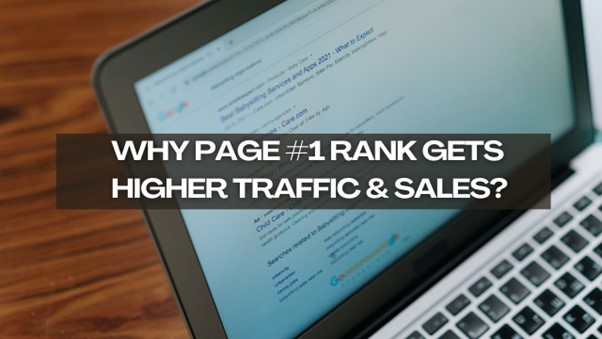
Why Page #1 Rank Gets Higher Traffic & Sales?

Elevating Your Business: The Value of Page #1 Rankings in Singapore In Singapore’s online world, getting to the top spot on Google is very important. It can really help increase the number of visitors to a website and boost sales. Think about this: the website that appears first on Google gets the most attention, with more than 30% of people clicking on it. Websites on the second page or later get a lot less attention. So, how does a website get to be number one on Google? It’s all about following Google’s rules. Google uses special methods to decide which websites are the best and should be at the top. It looks for things like the right keywords, how much people enjoy using the website, if the website works well on mobile phones, and if other good websites link to it. Google wants to ensure that the top websites are helpful and easy to use. For businesses in Singapore, being at the top of Google can make a big difference. It means more people can easily find and trust their website, leading to more visitors and sales. That’s why businesses need to know how Google decides on rankings and use that knowledge to improve their website. This way, they can work towards getting to the top of the search results and attract more customers. Table of Contents Importance of Page #1 Ranking Traffic Differences: Page #1 vs. Subsequent Pages The first page of Google is like the main stage for websites in Singapore, capturing over 90% of web traffic. This leaves less than 10% for websites on the second page and beyond. The top spot on the first page is even more dominant, often attracting around 30% of all clicks for that search. The traffic decreases significantly for each position down the list, highlighting the stark difference in visibility between being on the first page and subsequent ones. Visibility and Credibility on Page #1 Being on the first page in Google’s search results is akin to having a prime location in a busy shopping area in Singapore. It significantly boosts your business’s visibility. Moreover, appearing on the first page lends a badge of credibility to your business. Customers in Singapore tend to trust and favor businesses that Google ranks highly, associating top rankings with industry leadership and reliability. This perceived authority can heavily influence their decision-making, making a top-page ranking not just a matter of traffic, but also of reputation and trust. User Behavior and Search Patterns in Singapore Interactions with SERPs Singaporean users, like others worldwide, typically scan the search engine results pages (SERPs) from top to bottom, focusing more on the first few listings. They rely on Google to serve the most relevant and authoritative content at the top. Hence, websites that appear higher in the search results are more likely to be clicked. This behavior underscores the need for businesses to optimize their online presence to rank well and catch the eye of potential customers quickly. Click-Through Rates (CTRs) Across Page #1 The Click-Through Rate (CTR) varies significantly across different positions on the first page of Google. The top position boasts a CTR of around 39.8%, meaning that about one-third of people searching will click on the first result. This rate drops as you move down the page, with the second and third positions often seeing CTRs of about 18.7% and 10.2%, respectively. The decline continues, illustrating the importance of not just being on the first page, but aiming for the top positions. For businesses in Singapore, this data is crucial as it highlights the potential loss or gain in web traffic based on their SERP position and underscores the competitive nature of online search behavior. Want to Increase Your Organic Traffic & Get More Leads? Click Here To Get Started SEO Strategies for Page #1 Ranking Key Tactics for Top Rankings To climb to the top of Google’s search results in Singapore, businesses must focus on several SEO tactics. First, keyword research is foundational. Understanding the terms and phrases that potential customers use when searching for products or services allows businesses to tailor their content accordingly. This alignment with user search intent is crucial for visibility. Quality Content and Backlink Profile Next, quality content is non-negotiable. It’s not just about using the right keywords, but also providing valuable and engaging information that meets the needs of users. Google favors content that is not only relevant but also offers depth and value, which in turn, keeps users on the page longer, reducing bounce rates and improving rankings. Finally, a robust backlink profile is essential. Links from reputable and relevant websites act as endorsements, signaling to Google that your site is a credible source of information. Accumulating high-quality backlinks is akin to gathering votes of confidence from the web community, which can significantly boost your site’s authority and position in search results. Together, these strategies form a comprehensive approach to SEO that can help Singapore businesses achieve and maintain top rankings, driving more traffic to their websites. Challenges in Achieving Page #1 Rank The Competitive Nature of SERPs In Singapore, the battle for the top spot in search engine results pages (SERPs) is fierce. Many businesses vie for the same keywords, making the digital landscape highly competitive. This competition is a significant hurdle, as only a limited number of spots are available on the first page, and every business wants one. The challenge intensifies with the presence of established players and large corporations that dominate certain search terms, making it difficult for smaller businesses to break through. Overcoming Market Saturation To navigate this competitive arena, businesses must employ strategic competitive analysis. This involves studying the SEO tactics of top-ranking competitors to understand what works in your industry or niche. Analyzing competitors’ keyword strategies, content quality, and backlink profiles can provide valuable insights. Additionally, finding underserved or niche markets within your industry can help circumvent market saturation. Tailoring content to these niches, coupled with targeted keyword optimization, can

Can SEO Boost Your Business in Singapore? Learn the Key Strategies for 2024!

Can SEO Boost Your Business in Singapore? Learn the Key Strategies for 2024! The Power of SEO for Singapore Businesses Why is SEO so important for your business growth in Singapore in 2024? SEO, or Search Engine Optimization, is like the fuel that powers your business’s visibility online. In Singapore’s busy online world, using SEO helps your business stand out and reach more people. In 2024, to boost your business, you need to get SEO right. It’s not just about finding the right words to use on your website. It’s about making sure your website works well on mobile phones, loads quickly, and is easy for people to use. Search engines, like Google, love websites that offer a great experience to visitors. For businesses in Singapore, this means making your website friendly and fast for phone users, creating interesting content that people want to read or watch, and being active online, not just on your website but also on social media. SEO in 2024 is all about making your brand easy to find, trustworthy, and appealing to both people and search engines. Table of Contents Website Technical SEO The Backbone of Your Online Presence A well-structured website is crucial for SEO success. Think of your website as the foundation of your online business; just as a strong foundation supports a building, a well-structured website supports your digital presence. It helps search engines understand your content and navigate through your pages efficiently. A clear, logical structure, with a straightforward menu and intuitive navigation, ensures that both users and search engines can find what they’re looking for without any hassle. Speed and Responsiveness: Winning the Race In today’s fast-paced digital world, speed is everything. Fast-loading websites enhance user experience and are preferred by search engines. Mobile responsiveness is equally critical, as more people use smartphones to browse the internet. A mobile-friendly website adjusts seamlessly to different screen sizes, providing a positive experience for mobile users. Google prioritizes mobile-first indexing, which means it mainly uses the mobile version of content for indexing and determining search rankings. Tools for Technical SEO: Your Digital Toolkit To ensure your website meets these technical SEO standards, you need the right tools. Google’s PageSpeed Insights can evaluate your site’s loading speed and suggest improvements. Mobile-Friendly Test by Google checks how well your site works on mobile devices. For a more comprehensive audit, tools like Screaming Frog SEO Spider can crawl your website, identifying issues with structure, response codes, and other critical SEO elements. By regularly auditing and adjusting your website with these tools, you can maintain and improve your SEO standing. Keyword Research and Optimization Unveiling High-Potential Keywords Identifying the right keywords is like finding the keys to unlock the treasure of search visibility in Singapore. Start by thinking about what your potential customers might search for. Use tools like Google Keyword Planner or SEMrush to discover popular search terms related to your business. Look for keywords with a good balance of search volume and competition level. High search volume means many people are looking for that term, but lower competition means it’s easier to rank for. Local vs Global: Balancing Your Keyword Strategy To make the most of your SEO efforts in Singapore, balance local and global keywords. Local keywords, like “best coffee shop in Singapore,” target those in the immediate area and can drive foot traffic to brick-and-mortar businesses. Global keywords, such as “how to brew the perfect coffee,” appeal to a wider audience and can attract online visitors from around the world. Incorporate these keywords naturally into your website content, blog posts, titles, and meta descriptions. This integration helps search engines understand what your site is about and how it should rank in search results. Use local keywords to optimize your Google My Business listing and other local directories, enhancing your visibility in local search results. For global reach, ensure your content with global keywords is informative, engaging, and shares well on social media platforms. Want to Increase Your Organic Traffic & Get More Leads? Click Here To Get Started Content Marketing Crafting Content That Connects Creating compelling content tailored to the Singapore audience begins with understanding their interests, needs, and search behaviors. Dive deep into topics that resonate with locals, whether it’s the latest food trends, financial advice, or technological innovations relevant to the Singaporean market. Your content should not only incorporate key SEO keywords naturally but also offer genuine value, engaging readers and encouraging them to interact with your brand. Consistency and Planning: The SEO Boosters Regular updates and strategic planning are vital to keeping your content fresh and your SEO rankings high. Google favors websites that consistently produce new and relevant content, as it indicates that the site is active and offers up-to-date information. Develop a content calendar that aligns with local events, festivals, and trends, ensuring your posts are timely and resonate with the Singaporean lifestyle. By combining these elements, your content marketing strategy will not only attract but also retain a dedicated audience. It’s about creating a space where Singaporeans find value, leading to increased engagement, higher SEO rankings, and ultimately, a stronger online presence for your business. On-Page SEO Elements Mastering On-Page SEO Elements On-page SEO is crucial for making your website both user- and search engine-friendly. Key elements include title tags, meta descriptions, headers, and image optimization. Title tags should be concise and include main keywords to reflect the content of the page effectively. Meta descriptions, while not directly affecting rankings, play a significant role in click-through rates, offering a snapshot of what the page is about and why it’s relevant. Headers (H1, H2, H3, etc.) structure your content, making it easier for readers to navigate and for search engines to understand the hierarchy and relevance of your information. When it comes to images, optimizing file names, alt text, and compressing files can boost your site’s speed and accessibility, further enhancing SEO. Enhancing User Experience for SEO Success User experience (UX) significantly influences on-page SEO. A site